
Presented by: Christine Spratling Georgia PINES
“For people who can see and hear, the world extends outward as far as his or her eyes and ears can reach. For the young child who is deafblind, the world is initially much smaller.”
“If the child is profoundly deaf and totally blind, his or her experience of the world extends only as far as the fingertips can reach. Such children are effectively alone if no one is touching them. Their concepts of the world depend upon what or whom they have had the opportunity to physically contact.”
“Concepts are the ideas that give meaning to our world. We develop concepts based on our particular experiences.” -Barbara Miles Overview on Deaf-Blindness DB Link, October 2008
What happens to concept development when we have limited experiences:
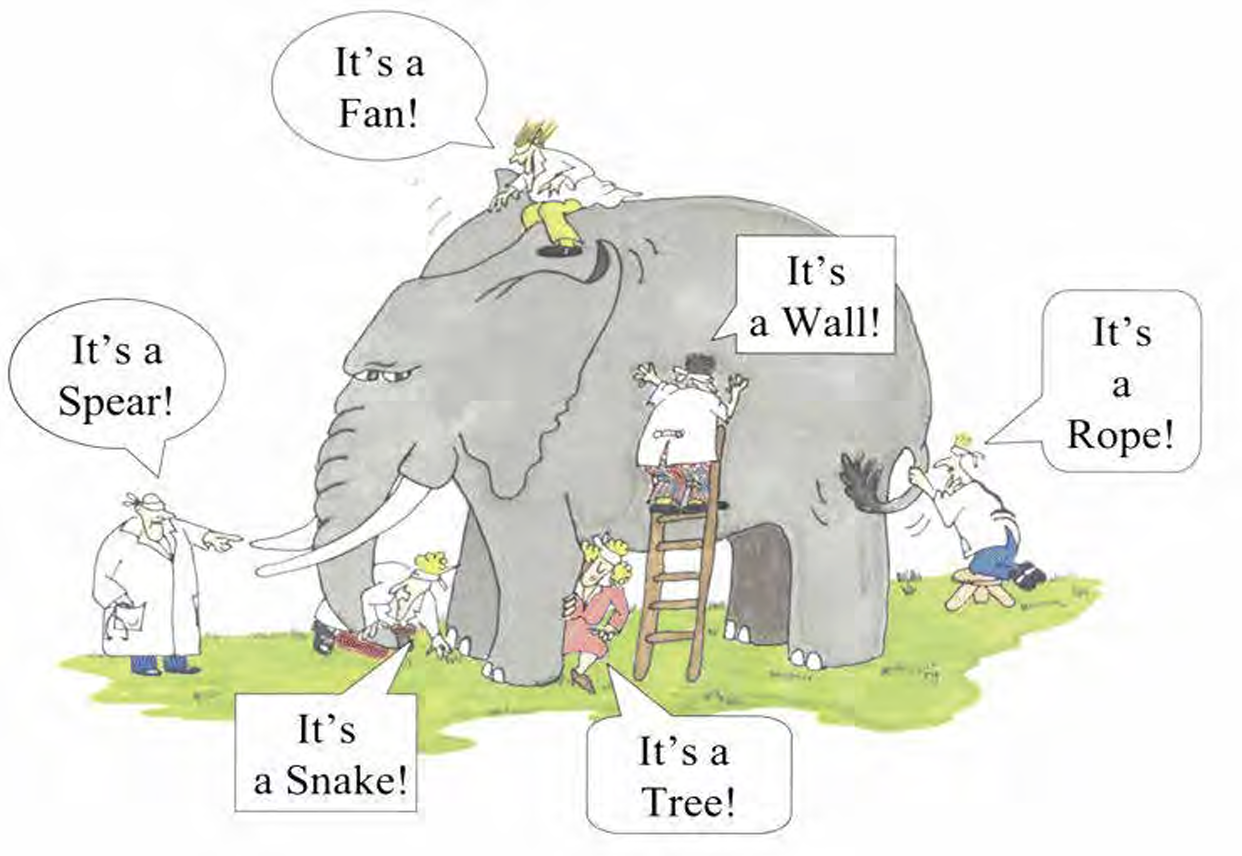
What do you see?
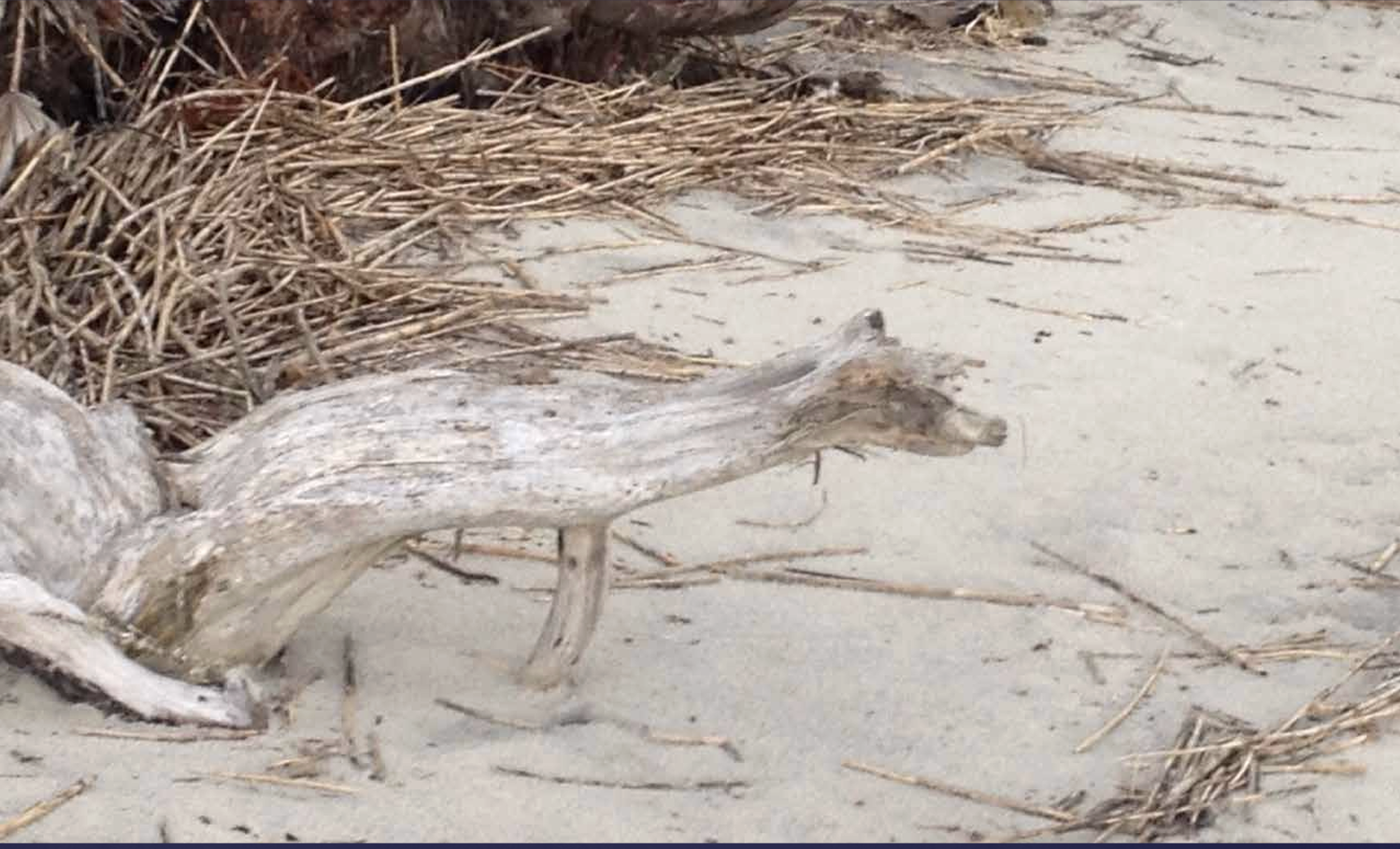
What does the literature say about concepts:
Three groups of concepts:
- Concrete concepts (tangible things)
- Semi-concrete concepts (something that can be demonstrated but is not tangible)
- Abstract concepts
Types of concepts:
- How the world works
- How the physical environment is arranged and how to navigate it
- Where things come from
- How things are sequenced
6 Areas of concept development:
- Objects exist
- Objects have permanence
- Objects differ from one another
- Objects have names or labels
- Objects have characteristics
- Objects have functions or use
1. Objects exist
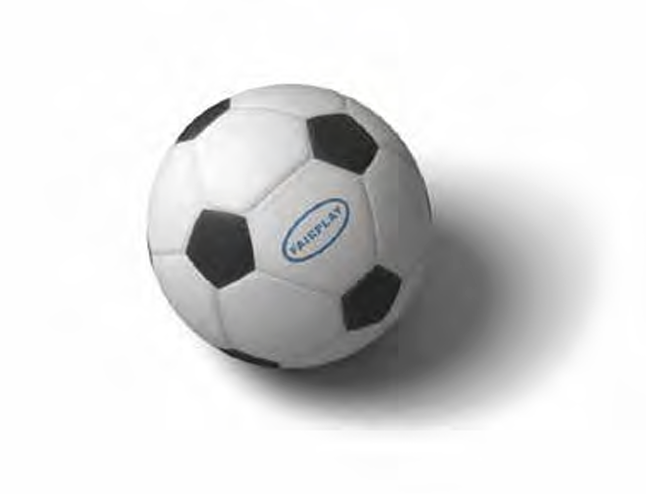
2. Objects have permanence
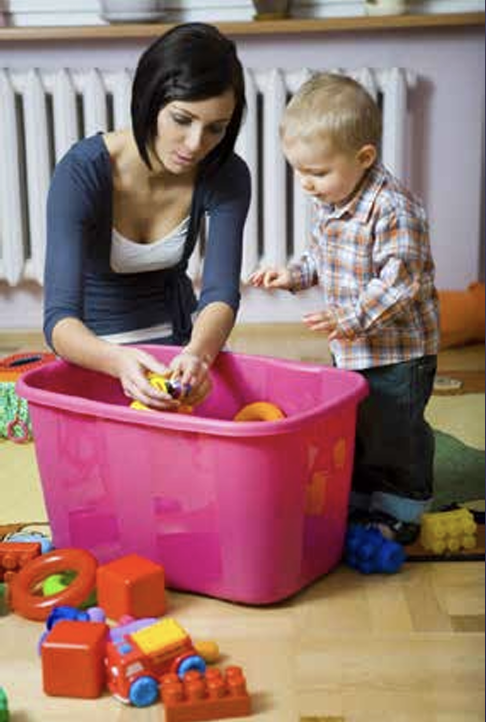
3. Objects differ

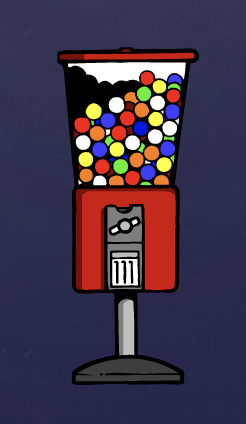

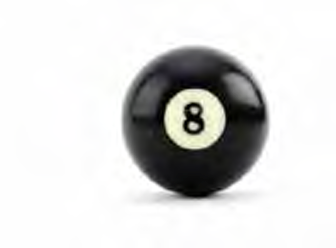

4. Objects have names or labels
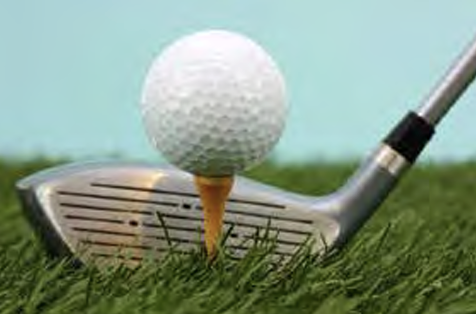
Crystal ball, moth ball, meatball, eyeball, gumball, fire ball, snowball, football, eight ball, golf ball, spitball, oddball, goofball, sleaze ball, ball bearing, etc.
5. Objects have characteristics:
- color
- size
- texture
- weight
- smell
- etc.
6. Objects have functions or use

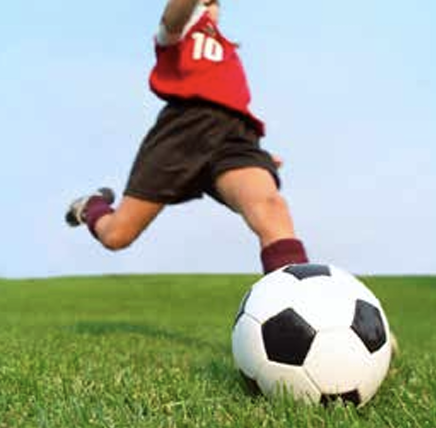
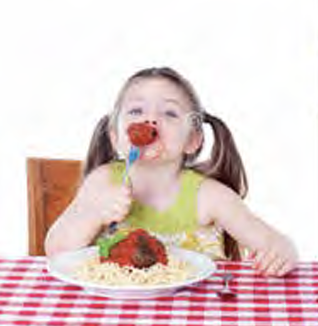
O&M Concepts
- Body Image Concepts
- Spatial Concepts
- Environmental Concepts
According to Babara Miles (1999), children typically develop concepts in this order:
- self
- people and objects as extensions of herself or as things to be incorporated (put in the mouth)
- movements
- people as distinct in themselves
- objects themselves
Difference between concepts and skills:
- Skill – the ability to do something
- Concept – the ideas that help us understand “why”
How to choose a concept to work on:
- Start with the child in mind.
- What is meaningful to the child right now?
- What is something that might help the child participate in day to day life?
- What is something that would help the child understand the world around her/him better?
- Remember, this should be a team approach
Some assessments for concept development:
- School Inventory of Problem Solving Skills (SIPSS)
- Home Inventory of Problem Solving Skills (HIPSS)
- Functional Scheme:Functions Skills Assessment http://www.lilliworks.com
Strategies that help with concept development:
- Choose activities that happen regularly and are meaningful, such as daily living
- Activities that the child enjoys
- Attach language to all experiences
- Build on language the child already knows
- Remove confusing variables
- Generalize the concept across various situations
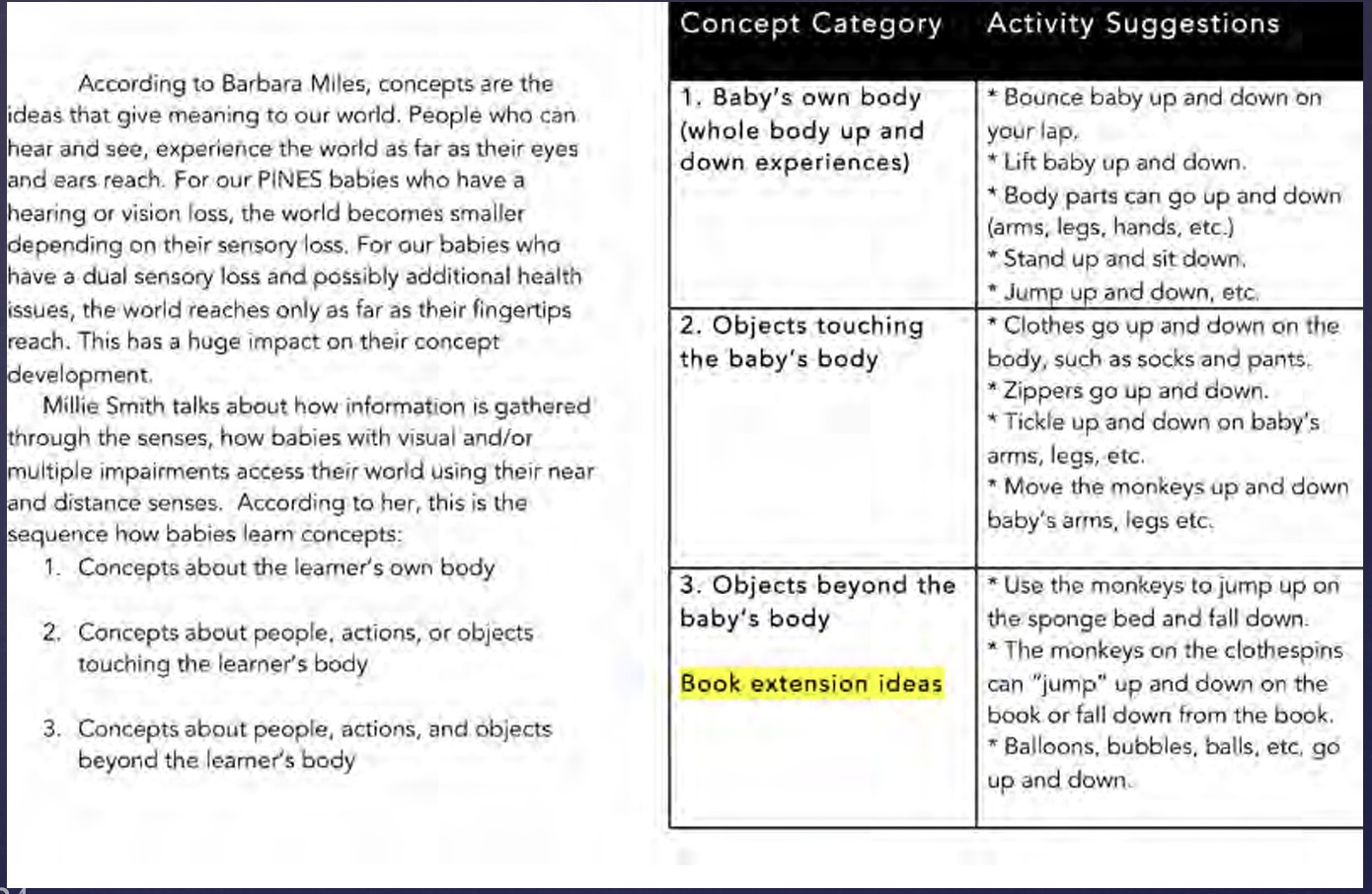
Planning instructional activities for concepts:
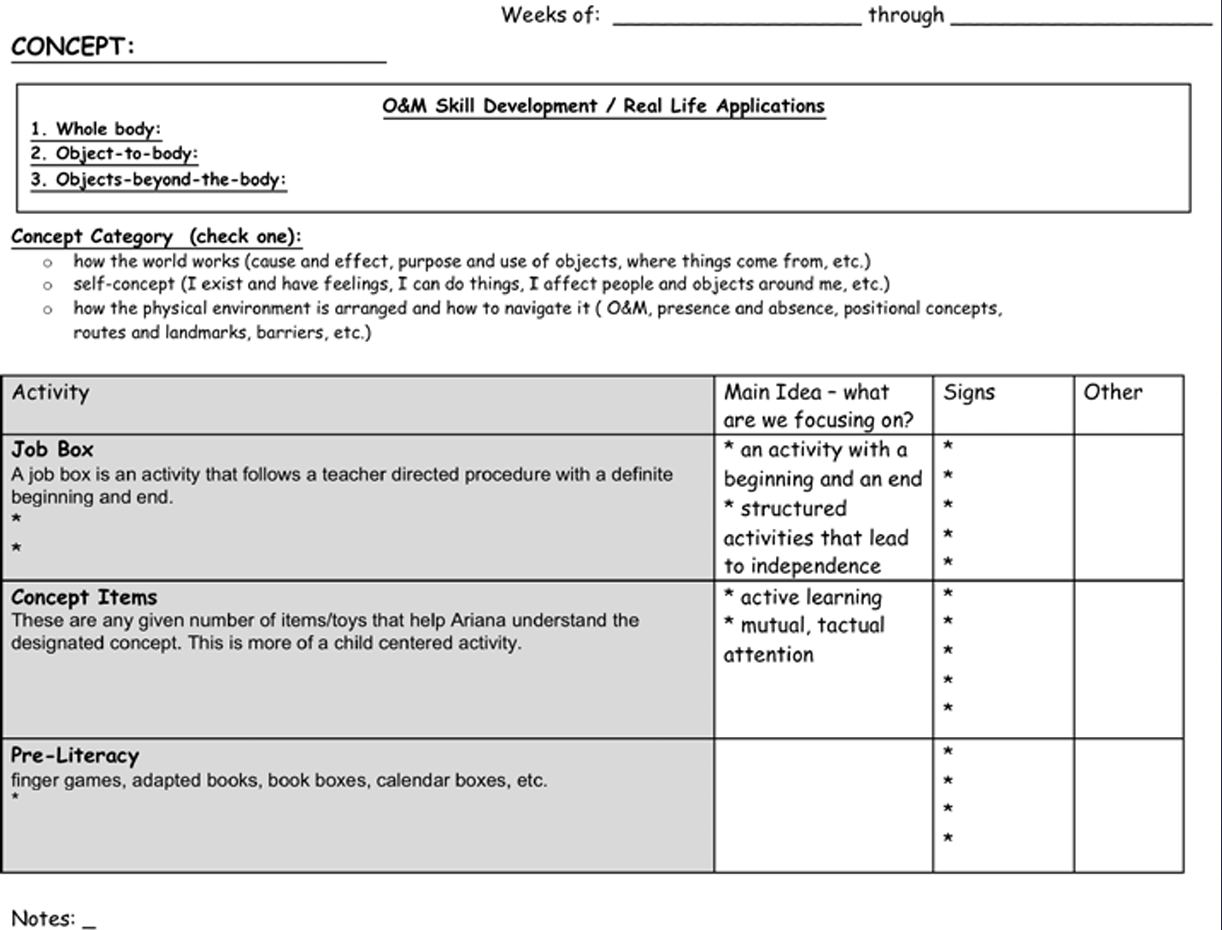
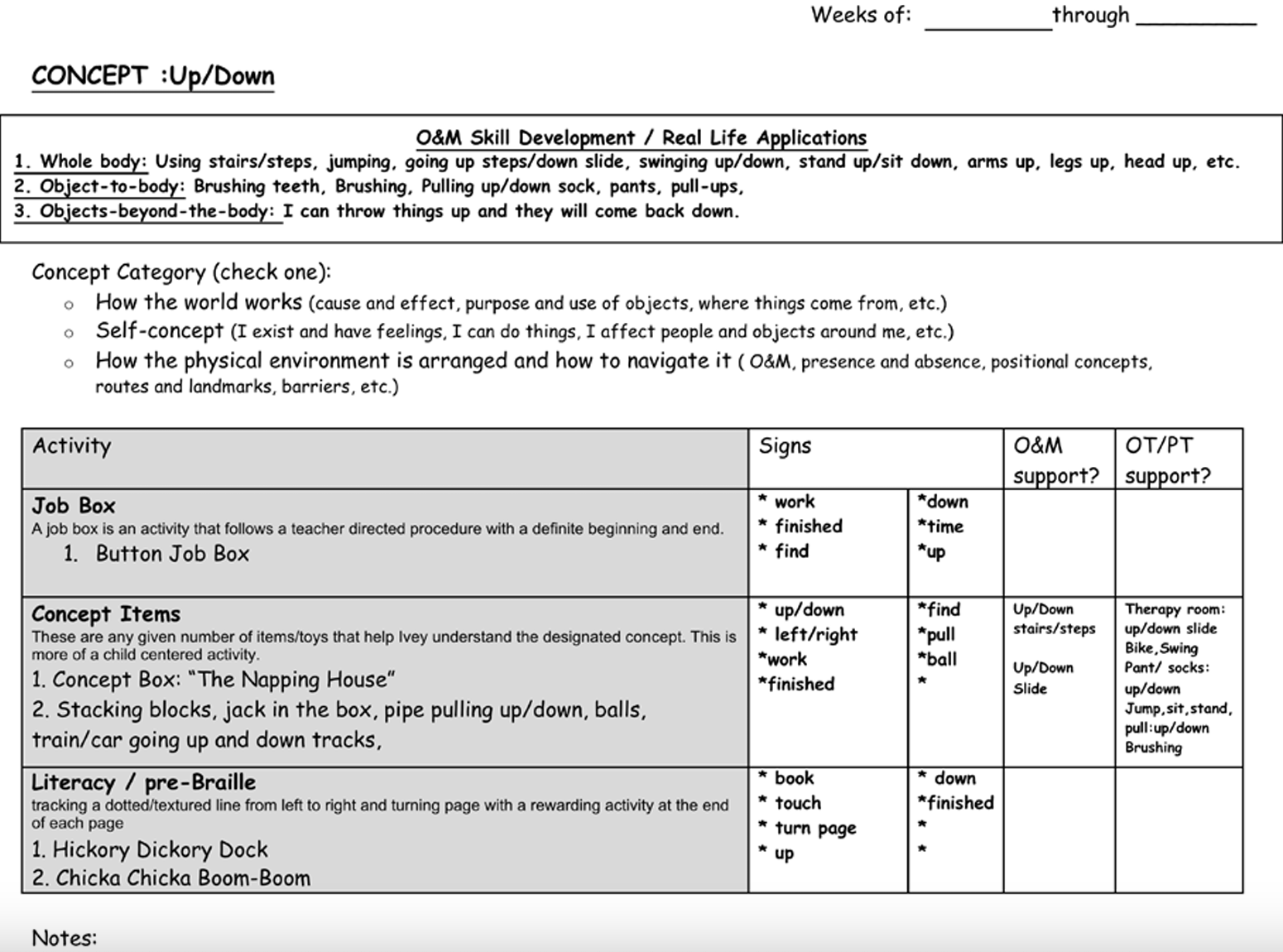
Concept-based activity ideas for “Up and Down” 5 Little Monkeys Jumping on the Bed
Everybody has a special interest
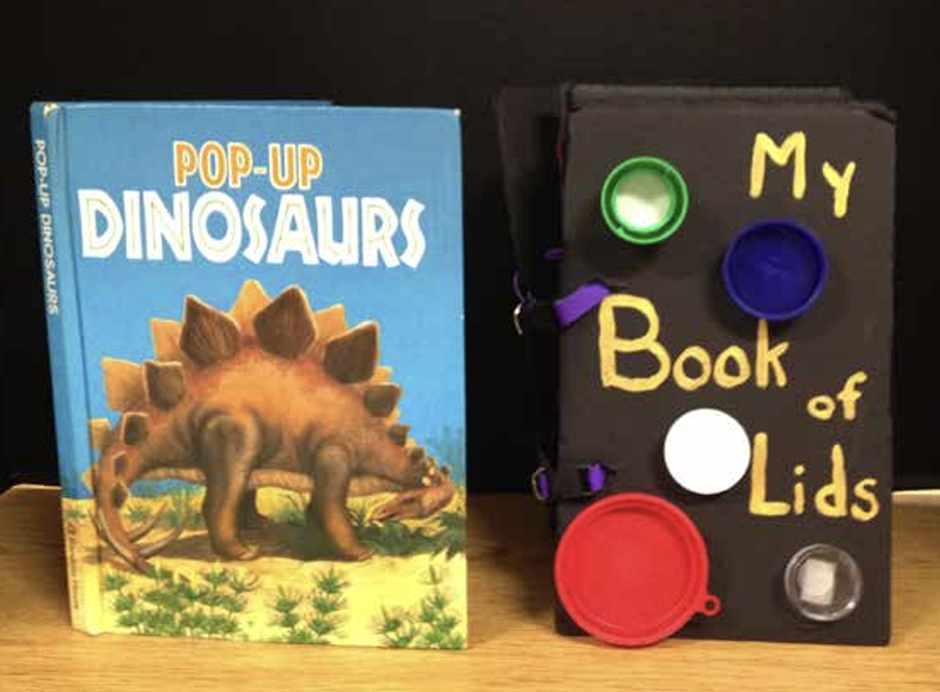
Concept book for “on top”
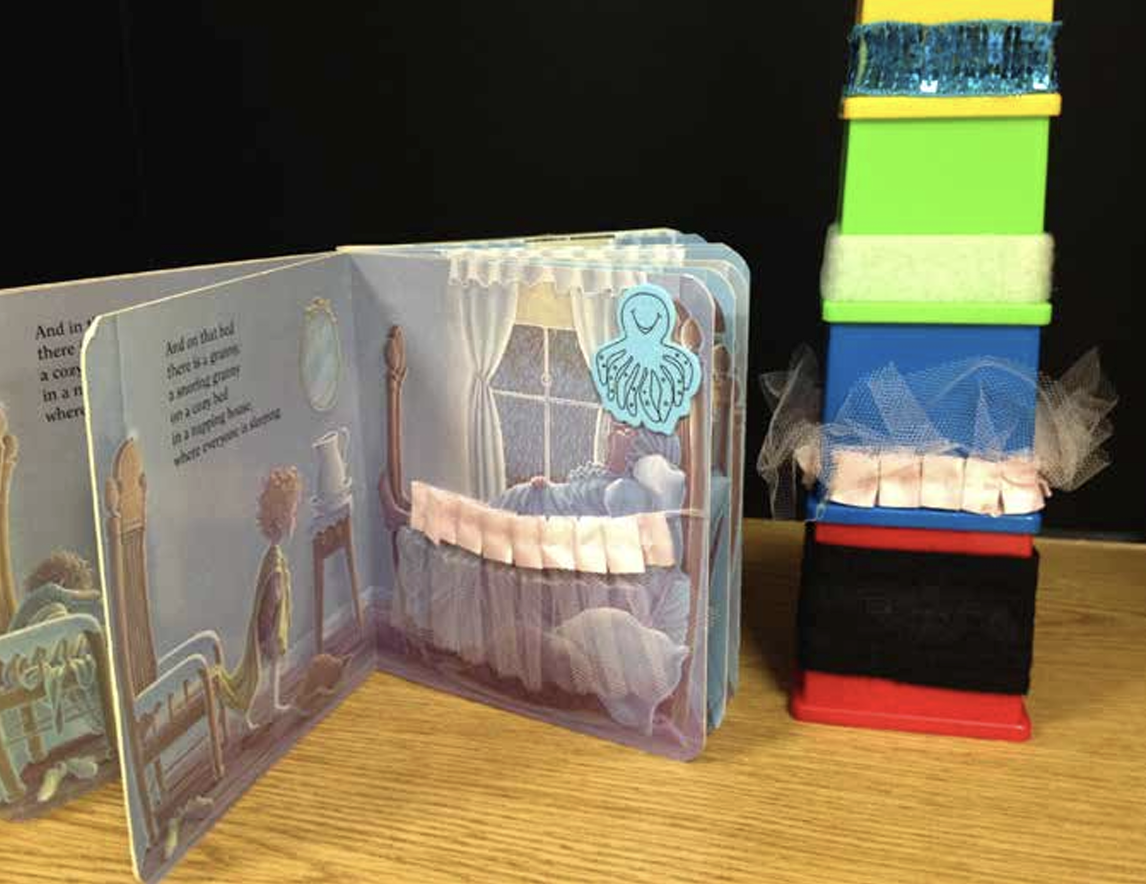
Concept book for “up and down”
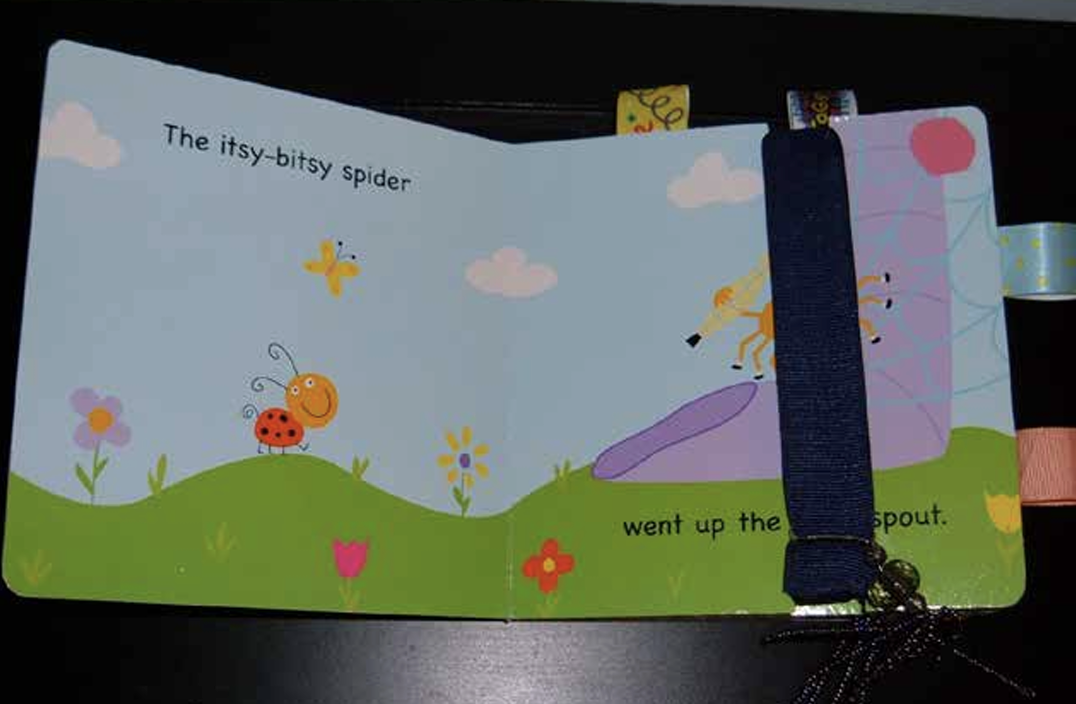
Concept book for “rolling”
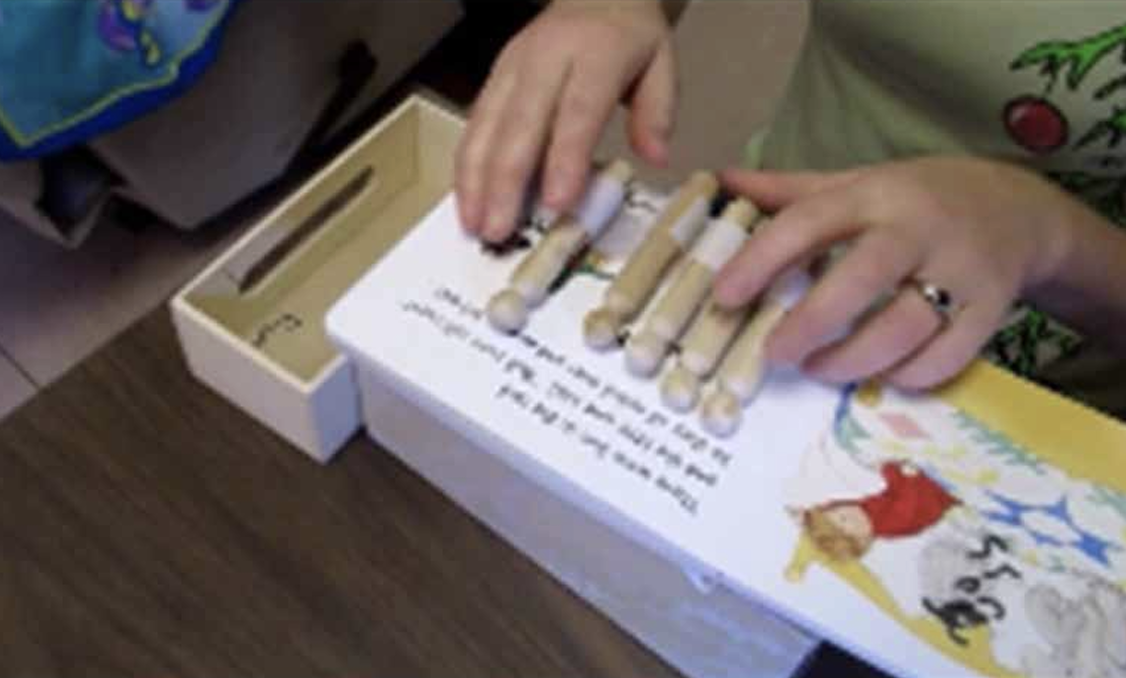
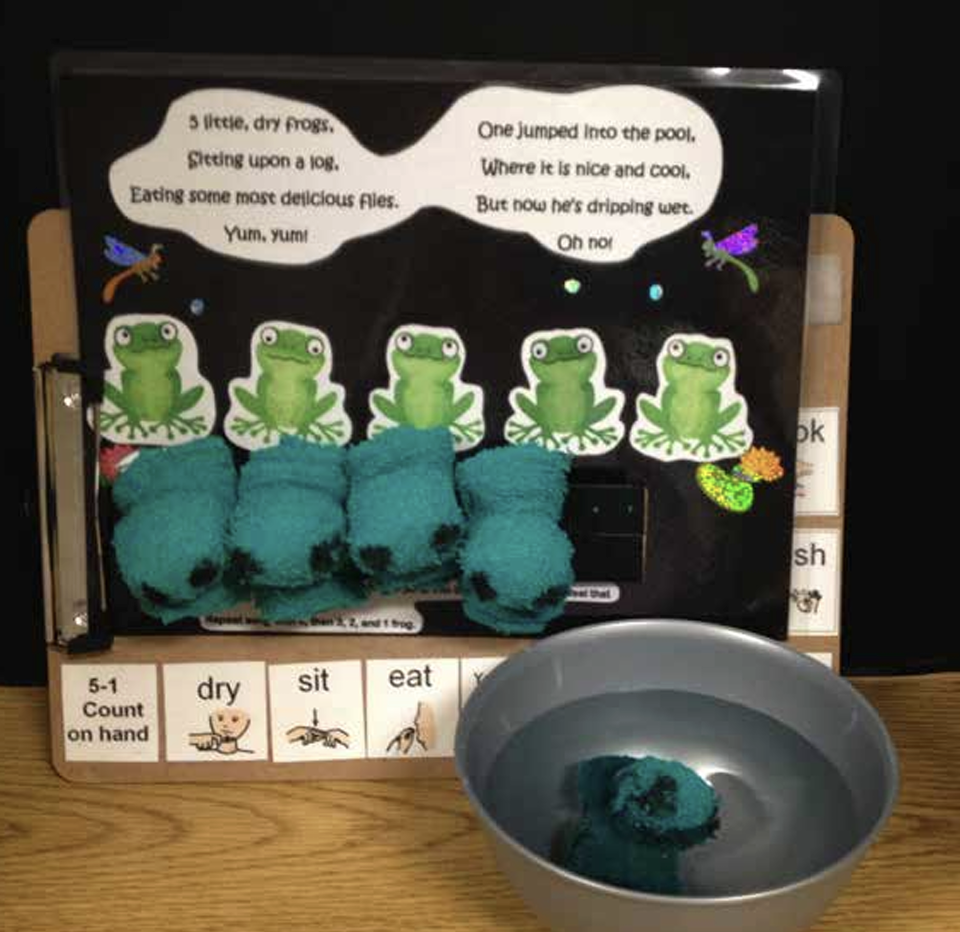
Concept book for “wet/dry”
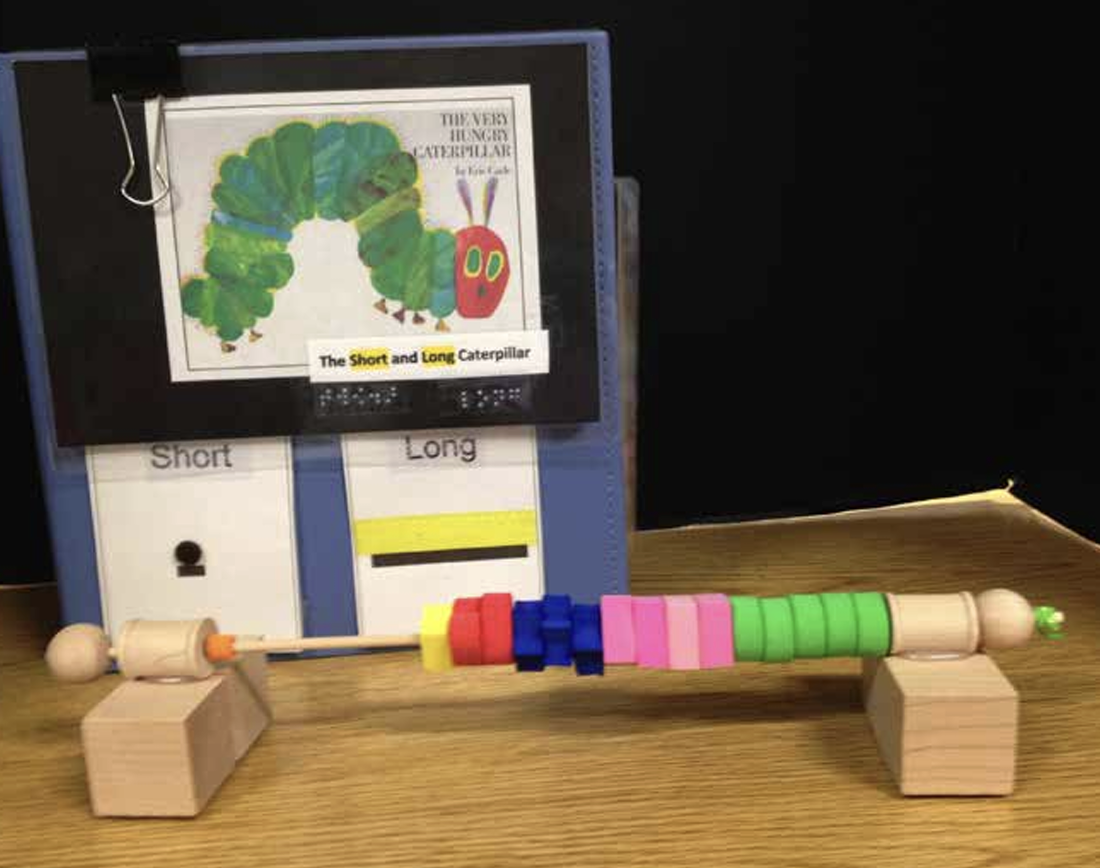
Concept book for “long/short”
Resources:
- Developing Concepts with Children Who Are DeafBlind Barbara Miles, M.Ed. & Barbara McLetchie, Ph.D. DB-Link February 1, 2008
- Early Concept Development Holly Cooper
- Understanding Deaf blindness : Issues, Perspectives, and Strategies –Alsop, Linda, M.Ed. (Ed.) Logan, UT: SKI-HI Institute, Utah State University. (2002)
- What a Concept! Jim Durkel, CCC-SPL/A and Statewide Staff Development Coordinator (with help from Kate Moss, Stacy Shafer and Debra Sewell) Texas School for the Blind and Visually Impaired Outreach
- Remarkable Conversations: A Guide to Developing Meaningful Communication with Children and Young Adults Who Are Deafblind by Barara Miles and Marianne Riggio, 1999
Presenter Information:
After graduating with a Bachelor of Science degree in Special Education for students who are deaf/hard-of-hearing, Christine started teaching in the public school systems in 1986. Since then, I have taught in a variety of settings from self-contained to itinerant and added a Master’s Degree in interrelated special education and an EDS in educational leadership. About 6 years ago, I also began to work for Georgia PINES as a parent advisor in an early intervention setting. Georgia PINES serves families of young children with vision and/or hearing loss including those with CHARGE Syndrome.
In addition to working in the public school and early intervention settings, I have become involved with the Georgia deaf-blind project, the Georgia Sensory Assistance Project (GSAP). Like Georgia PINES, GSAP serves families of children with deaf-blindness including those with CHARGE. I have co-presented with GSAP staff at state conferences and workshops on topics such as literacy, concept development, and transition tools. When NCDB asked GSAP to participate in the development of the Literacy for Children with Combined Vision and Hearing Loss website, I was part of the team.
One of my biggest passions is early emergent literacy for all children. Since commercially available books and other literacy materials are often conceptually inappropriate or confusing for children with dual sensory losses, I have been adapting and making books for individual children of all ages based on their specific level of concept development, mode of communication, and sensory input preferences.
